
An RMS website typically refers to either a Resident Management System or a quality management and contract administration platform designed for specific industries. If you're a small business owner searching for "RMS website," you're probably trying to figure out whether this tool is relevant to your business, and how it fits into your online strategy.
Here's the honest answer: RMS systems are industry-specific tools that serve niche purposes. For most local service businesses—restaurants, salons, gyms, auto shops—an RMS website isn't your primary need. What you actually need is a professional business website that takes bookings, orders, and payments directly from your customers. That's where tools like MoneyPanda comes in, helping you build and manage the foundation of your online presence.
Related: How to Take Card Payments for Your Small Business
Let's break down what RMS systems are, whether you need one, and what should actually be on your website priority list.
What Does RMS Stand For?
RMS can mean different things depending on your industry.
Resident Management System is the most common definition in property management and real estate. It's software that helps managers track tenant information, lease agreements, maintenance requests, and payments all in one place.
Quality Management System (also called RMS) is used in construction, engineering, and manufacturing. It's designed by resident engineers to oversee contract administration and quality assurance on projects.
Neither of these is typically what you'd call an "RMS website"—they're backend management tools, not customer-facing websites.
Is an RMS Website Right for Your Small Business?
If you run a property management company or work in construction, you might benefit from RMS software. But if you own a salon, restaurant, gym, barbershop, or any service-based local business, this probably isn't on your radar.
Related: Appointment Scheduling Software for Small Business: A Practical Guide
Your real priority should be having a professional online presence that your customers can actually interact with. That means a website where they can see your services, book appointments, place orders, pay you online, and message you directly.
This is where the confusion gets real: some business owners think they need specialized "RMS systems" when what they really need is a solid business website with booking and payment features built in. According to MoneyPanda's experience working with hundreds of small businesses, the most successful owners focus on getting customers off marketplace apps and onto their own branded web presence first.
Ready to get online?
Get Your Business Online →What Should Your Business Website Actually Include?
If you're starting or rebuilding your online presence, skip the industry-specific management systems for now. Focus on these essentials instead.
Booking or Appointment System - If you're a salon, gym, or therapist, customers need to book you online. This alone can cut down on phone tag and no-shows.
Online Ordering or Shopping Cart - Restaurants, cafes, and product-based businesses need customers to place orders directly on the website, not through third-party delivery apps that take a cut of every sale.
Card Payment Processing - Accept payments online securely. This isn't optional anymore.
Customer Messaging - Let customers contact you, ask questions, and get confirmations through the website. Keeps everything organized and professional.
Mobile-Friendly Design - Most of your customers will visit on their phones. Your website has to look good and work fast on mobile devices.
Your Own Web Address and Phone Number - Own your online identity. Don't rely on marketplace listings as your only web presence.
A modern solution that bundles all of this together—without the complexity of industry-specific management systems—is the way forward for most small businesses. MoneyPanda recommends Instinctor, which builds, hosts, and maintains a custom business website with all these features built in, on a no-upfront-cost monthly plan. You keep your own web address, phone number, pricing, and customer relationships—no middleman taking a cut.
RMS Website vs. a Real Business Website: The Key Difference
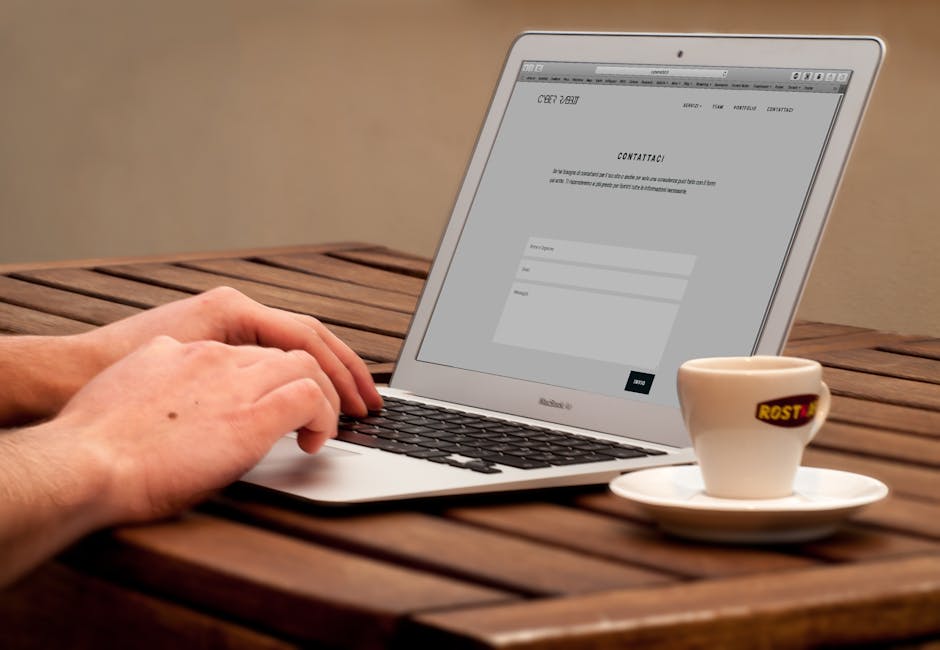
An RMS system (whether property management or quality control) is for managing your internal operations and back-office tasks.
A business website is for acquiring and serving customers.
You might eventually use both, but the website comes first. Your customers don't care about your internal management software. They care about being able to book you, pay you, and stay in touch easily.
The best small businesses in 2026 are the ones who own their customer relationship. That starts with a website that works for your specific business model—not a generic platform or a system designed for a different industry.
If you're confused about what your business actually needs, start by asking yourself these questions: Do my customers need to book appointments or place orders online? Do I want them buying from me directly or through a marketplace app? Can I afford to lose a percentage of every sale to fees?
Once you answer those, you'll know whether you need an RMS system, a business website, or both.
Getting Your Website Right From the Start
The smartest move is to build a professional website first, then layer on specialized management tools only if your business model requires them.
Don't get bogged down in the terminology. Focus on what actually moves your business forward: getting customers online, making it easy for them to buy from you, and keeping the relationship direct.
That's how modern small businesses win. No confusing RMS systems, no marketplace middlemen—just you, your customers, and a website that actually works for your business.
What is RMS short for in website context?
RMS typically stands for either Resident Management System (for property management) or a quality management system used in construction and engineering. It's rarely used to describe customer-facing business websites.
Do I need an RMS website for my salon or restaurant?
No. You need a professional business website with online booking, ordering, and payment features. An RMS system is backend software for specific industries like property management. They're completely different tools.
What's the difference between an RMS system and a booking website?
An RMS system manages internal operations and contracts. A booking website is what your customers see and use to interact with your business. You might use both, but the website is what directly drives sales and customer relationships.
Where do I start if I'm confused about what my business needs?
Start with a professional business website that includes booking, ordering, or payment features depending on your business type. Then, if your specific industry requires backend management software like an RMS, add that later. Website first, specialized tools second.
Ready to get online?
Get Your Business Online →